
Negotiation
10 min read
Expected CTC: How to Answer Salary Expectations As a Senior Professional
Published Date:
|
Last Modified:

A 10-minute phone call should not decide your net worth.
Yet, many senior leaders ruin their bargaining power during their very first chat with a recruiter. When asked for your expected CTC, naming a hard number too early lets the company buy your years of skill at a massive discount.
This early call is not the time to negotiate. It is simply a gatekeeper test to see if you are too expensive for their budget. You must learn how to handle this question without giving away your power.
Before you talk to another recruiter, sign up for free on NxtJob.ai to find high-value roles that match your worth.
Executive Summary: The Expected CTC Screening Playbook
Stage | Common Mistake | Senior Approach | Example Reply |
First recruiter call | Giving a fixed salary number too early | Link salary to role scope and impact | "My expectations depend on the role, responsibilities, and goals." |
Form 16 request | Sharing tax documents before the offer | Share only after a written offer | "I can share documents during the background check after an offer." |
Salary cap pushback | Accepting the cap without discussion | Discuss total compensation (base + bonus + stock) | "If base is fixed, I am open to stock or bonuses to balance it." |
The key here is to focus on role, not just salary, stay flexible, and aim for fair value and growth on both sides.
Follow along if you want more insights to avoid the “expected CTC” trap.
Why Recruiters Ask for Your Current Salary During the First Call
Recruiters work under tight deadlines. They talk to dozens of candidates every week. They need a fast way to group candidates and filter out those who are too expensive.
Why Recruiters Want Your Numbers Early
If a company has budgeted fifty Lakhs for a role, they do not want to spend three weeks interviewing someone who wants one Crore. Asking for your expected CTC is their way to protect their time.
But recruiters also ask to see if they can get your skills at a lower cost. If you currently earn thirty Lakhs, they know they can likely sign you for forty Lakhs. This is true even if the role has a much higher budget.
They use this first call as a simple sorting tool. It is not an evaluation of your executive skills. It is an administrative step to see if your past pay matches their current internal pay scales.
The Danger of Naming Your Price Too Soon
When you state a hard number on the first call, you set a firm starting point. The company will never offer you more than what you ask for.
According to a compensation survey by Procurement Tactics, 87% percent of employers have never canceled a job offer just because a candidate negotiated their salary. This means you have the room to delay naming a number.
If you name your expected CTC during the first call, you cannot use this room. You have given up your bargaining power before you even know what the job requires.
To avoid this trap, you must understand why treating this first call like a negotiation is a major mistake.
Why You Cannot Treat the Expected CTC Question Like a Normal Pay Talk
Many senior candidates make the mistake of trying to negotiate their salary during the very first screening call.
They treat the expected CTC question as the start of a normal pay talk. But you cannot negotiate your pay when the company has not yet decided if they want to hire you.
At this early stage, the recruiter has only seen your resume. They do not know how you manage teams, solve problems, or grow business units.
Trying to negotiate now is like naming a price for a product before the customer knows what it does.
Why You Have No Bargaining Power on the First Call
To negotiate well, you need bargaining power. Your bargaining power comes from their desire to hire you.
Once the hiring manager decides you are the only person who can fix their problems, you gain the upper hand.
During the first call, you have none of this power. You are just one of many resumes on the recruiter's desk. If you push too hard or make complex demands, they will reject you and call the next candidate on their list.
This is why standard salary negotiation tactics do not work here. You must focus entirely on passing the screen, not on winning the final deal.
The Difference Between Your Expectations and Your Final Offer
When a recruiter asks for your expected CTC, they are looking for a single, easy number to put in their files. But your final pay will be a complex package of base pay, performance bonuses, and stock options.
You cannot evaluate these components during a 10-minute phone call. If you name a cash number now, you might miss out on valuable equity packages later.
Keep these two phases separate.
Treat the first call as a simple pass-fail test, and save the actual pay talks for the end of the interview process.
Let us look at the exact words you can use to pass this first call without giving away a number.
The Four Best Ways to Answer the Expected CTC Question
When a recruiter asks for your expected CTC, you do not have to give a single number. You can use several simple answers to protect your pay. Your goal is to show you want a fair deal while keeping the focus on the work.
You can choose the best answer based on how the recruiter asks. Here are four easy ways to answer. They will help you stay calm and in control of the call.
Ask About the Job First
If you want to talk about pay later, ask about the job first. This links your pay to the actual size of the role.
Tell the recruiter you need to learn more about the team, the goals, and the product plans before you name a number.
Use this simple script:
"My pay needs depend on the size of the product plan and the business goals we set for this role. Once we agree on the work, I am happy to look at a fair market offer."
Ask for Their Budget First
If you want the recruiter to share their numbers first, ask for their budget. This puts the task of naming a starting number back on the company.
It is a polite way to see if their budget matches your worth before you spend hours in interviews.
Use this simple script:
"I want to make sure my needs match your budget. Can you share the pay range you set aside for this role?"
Give a Wide Range
If the recruiter demands a number, do not give a single figure. Give them a wide range instead.
Make sure the bottom of your range is a number you are happy to take. This gives you room to talk later without losing the job opportunity.
Use this simple script:
"Based on market rates for similar roles in SaaS, my target falls between 50 and 60 LPA, depending on the stock and bonus plan."
Explain Your Industry Shift
If you are moving from a services company to a product company, your past pay will not match. You must explain why your old pay does not matter.
Tell the recruiter that product-based roles have different pay scales and funding.
Use this simple script:
"My current pay is based on a services model. For this SaaS role, I am looking at standard product-company market rates."
Once you know these scripts, you should practice saying them out loud to build your confidence.
How NxtJob.ai Helps You Negotiate Your Salary Later
Many candidates believe that negotiating only happens at the very end of their job search.
This is a common mistake. In reality, negotiation is a continuous process in which every interaction with an employer builds your value.
Your resume positions you in the top tier of candidates, which raises your starting value. Your win deck shows you are a consultant who can solve companies' problems, further raising your value. Your interviews demonstrate your deep industry expertise.
The final salary talk is simply the last step of this process.
But you cannot reach this step if you fail the expected CTC screening question at the start. Surviving the first call is the necessary gatekeeper step you must pass to reach the stage where NxtJob.ai can help you negotiate your final offer.
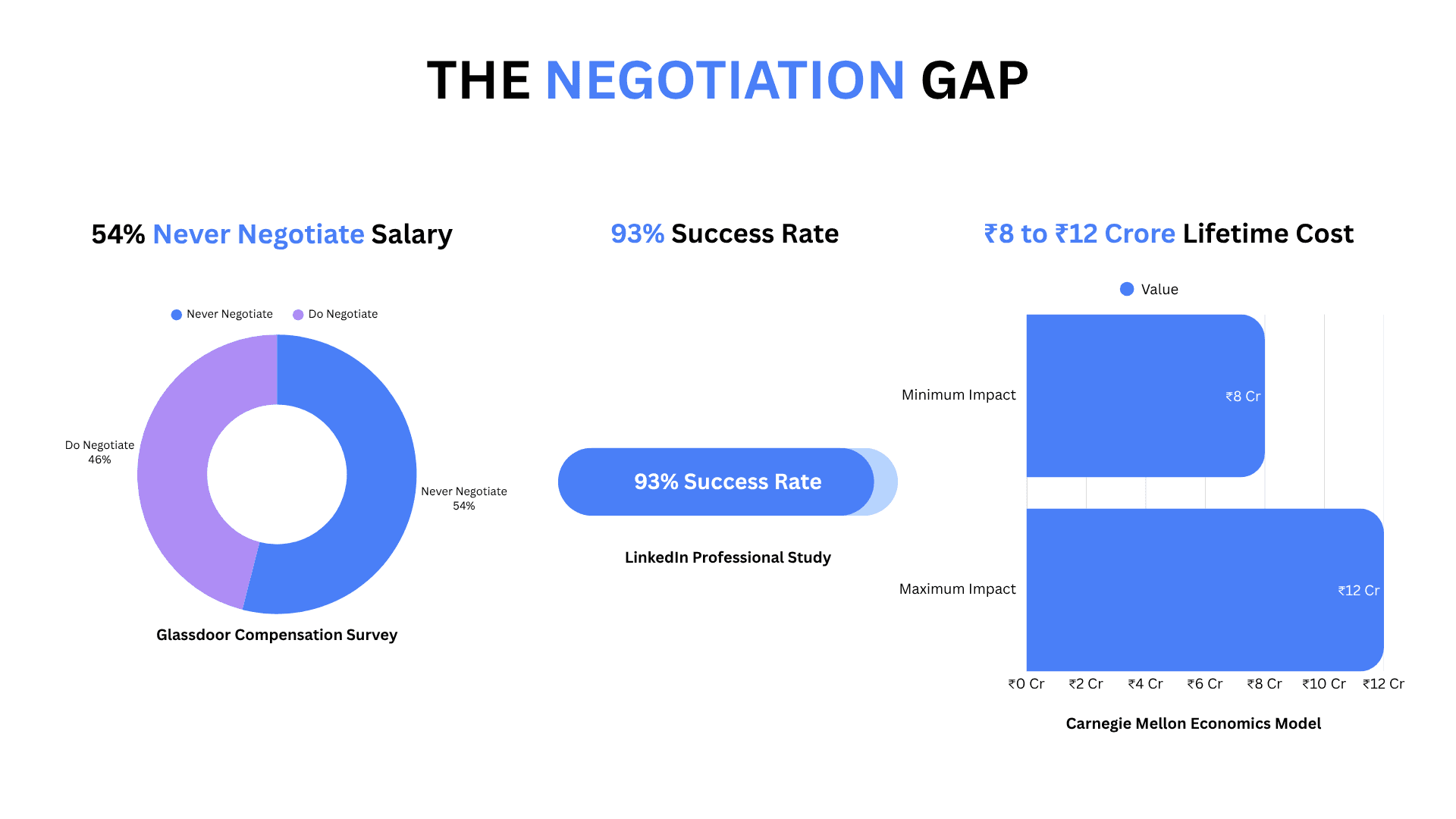
How the Negotiator Agent Prepares You for Professional Recruiters
Hiring managers and HR recruiters are full-time, trained professionals who negotiate salaries every day.
Negotiating salary with HR without practice places you at a major disadvantage.
To help you play on equal terms, NxtJob.ai's Negotiator agent provides a two-way negotiation simulation with you.
A trained AI recruiter sits opposite you, using realistic corporate objections so you can practice your responses. This preparation helps you secure 5 to 10 Lakhs more on your final offer.
A Senior Candidate Story
Roopa has 17 years of experience. When she first applied to TE Connectivity, the hiring team rejected her. They said she did not have the right segment experience.
She joined NxtJob.ai and built a new resume using clear Challenge-Action-Result (CAR) statements. She also created a 30-60-90-day work plan to demonstrate how she would solve the company's problems.
She then used NxtJob.ai's negotiation tools to research her market worth. By showing her value early, she secured a senior leadership role and a 70% pay hike.
Roopa, Go-to-Market Leader at TE Connectivity
"I used the resume tools and the salary negotiation template from NxtJob.ai. I did further research and was able to secure a 70 percent hike with a senior leadership role."
To get past the first call and use our Negotiator agent to secure your fair market rate, sign up for free on NxtJob.ai today.
How to Handle Form 16 and Payslip Requests on the First Call
Many recruiters in India ask for your Form 16 or past payslips during the very first call. This is a common practice that can limit your future earnings.
If you share these documents too early, the recruiter will use your old salary to set a low starting point for your new role.
The main challenge is that your past salary does not show your current market value. If you have in-demand tech skills, you can demand much higher pay when changing roles.
This is especially true for senior professionals who have managed large teams.
Why Past Payslips Do Not Show Your True Worth
Your Form 16 is a record of what you earned in the past. It does not show your current capability or the value you can bring to a new company.
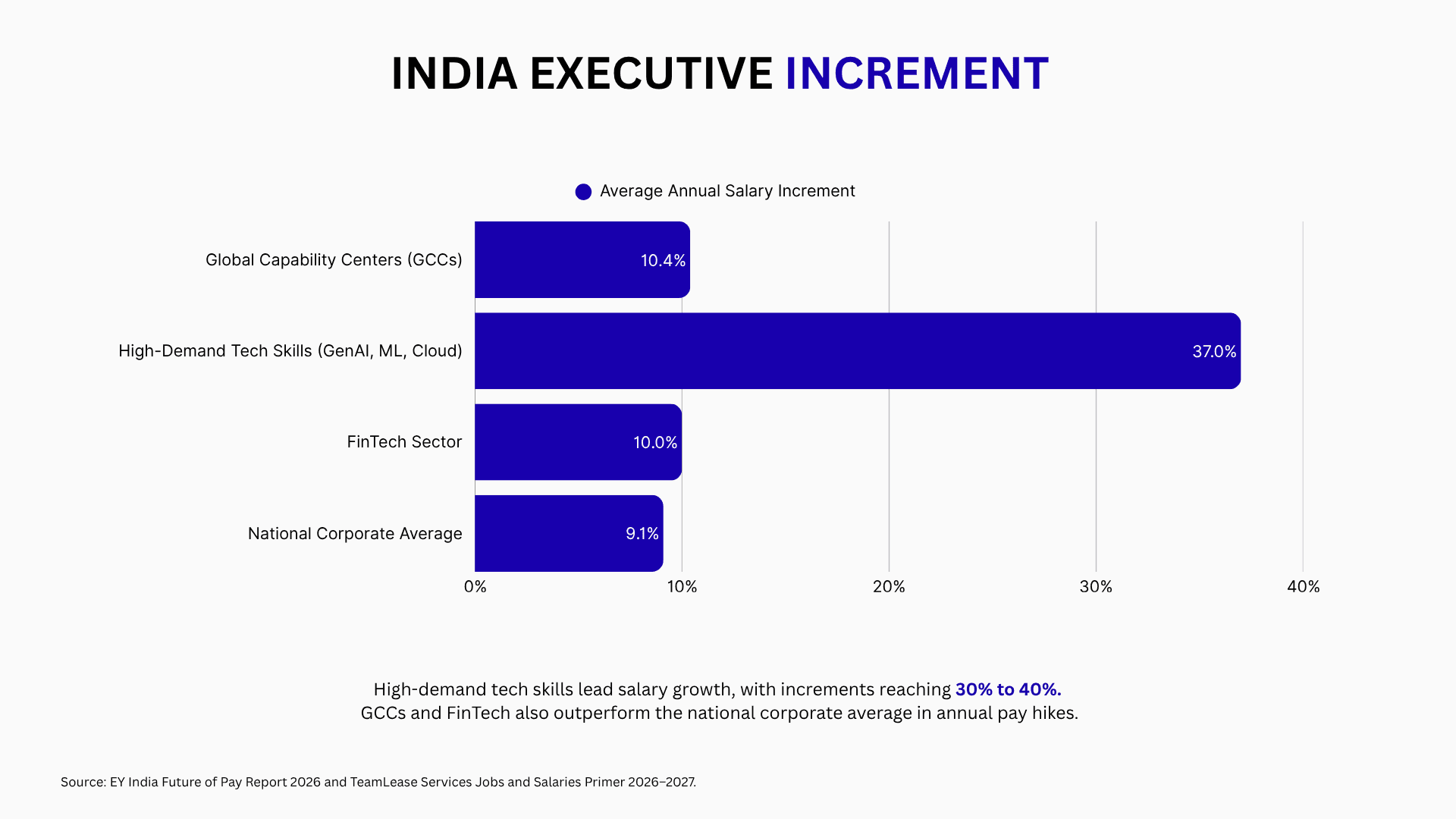
According to a market report published by Reuters, hiring firms like TeamLease can only fill about 30% of active job openings because of severe mismatches in salary expectations and technical skills.
This talent shortage gives you a major advantage if you can prove your worth.
According to the TeamLease Services Jobs and Salaries Primer, senior tech roles with rare skills command pay hikes of 30% to 40% above historical limits.
This is why you must avoid letting your past payslips set your next salary.
Your skills are what matter most. If you want to make sure your resume highlights these high-demand skills, read our guide on how to make an ATS-friendly resume. It will help you stand out.
How to Delay Sharing Your Documents
You do not have to share your past pay slips during your first screening call. Agreeing to share them too soon gives away your power to negotiate.
Instead, keep your financial details private until both sides agree on the basic terms of a written offer.
Politely inform the recruiter that your current pay is confidential under your employment agreement.
State that you will gladly share your Form 16 for formal background verification once a written offer is prepared.
A Simple Plan for Your Next Salary Talk
To handle the expected CTC question well, you must have a clear plan before you pick up the phone. A simple checklist keeps you focused and prevents you from giving away a number too soon.
By following these steps, you can guide the first call toward the scope of the job. This preparation ensures you stay in control of your career path.
The Four Steps to Pass the Screening Call
Do Your Market Research: Before you speak with any recruiter, check the current pay rates for your role on sites like Glassdoor and Levels.fyi. This gives you a clear baseline range.
Reach Out to Your Network: Connect with hiring managers and referrers at your target companies before you apply. To learn how to make these connections, read our guide on how to reach out to a recruiter on LinkedIn.
Keep Your Tax Slips Private: Always tell the recruiter that you will gladly share your Form 16 for background checks once you agree on a written offer. Never send these documents early.
Conclusion
To get a fair offer, you must wait to talk about pay, focus on your skills, and keep your tax slips private. This guide shows you the steps to handle these first calls and avoid low pay.
Most sites only give you basic resumes or job lists. NxtJob.ai is different because it uses custom AI tools like Negotiator to read your stocks, check your bonuses, and build your final deal.
Take control of your next call. Sign up for free on NxtJob.ai and get the pay you deserve.

As a content writer and SEO strategist, I help turn complex AI job search, career-tech, and growth topics into clear, practical content. At NxtJob.ai, I write to help senior professionals make smarter career moves with clarity and confidence.
Githu Ravikkumar
Creative Strategist & Copywriter
Recent articles

Resume
5 min read
ATS Resume Format: How to Create a Resume That Gets Past Applicant Tracking Systems
Learn how to create an ATS-friendly resume that passes through applicant tracking systems and increases your chances of landing an interview.
Resume
5 min read
ATS Resume Format: How to Create a Resume That Gets Past Applicant Tracking Systems
Learn how to create an ATS-friendly resume that passes through applicant tracking systems and increases your chances of landing an interview.
Resume
5 min read
ATS Resume Format: How to Create a Resume That Gets Past Applicant Tracking Systems
Learn how to create an ATS-friendly resume that passes through applicant tracking systems and increases your chances of landing an interview.
Resume
5 min read
ATS Resume Format: How to Create a Resume That Gets Past Applicant Tracking Systems
Learn how to create an ATS-friendly resume that passes through applicant tracking systems and increases your chances of landing an interview.
Resume
5 min read
ATS Resume Format: How to Create a Resume That Gets Past Applicant Tracking Systems
Learn how to create an ATS-friendly resume that passes through applicant tracking systems and increases your chances of landing an interview.
Resume
5 min read
ATS Resume Format: How to Create a Resume That Gets Past Applicant Tracking Systems
Learn how to create an ATS-friendly resume that passes through applicant tracking systems and increases your chances of landing an interview.
Everything you need to know
Here you can find solutions to all your queries.
What if the recruiter refuses to move my profile forward unless I give an expected CTC?
Should I include my expected CTC or current salary on my resume?
Can I give a range instead of a single expected CTC number on the first call?
What should I do if a recruiter demands my current pay slips before my first interview?
What if a company says they only give a standard thirty percent raise on my current CTC?
How does the NxtJob.ai Negotiator tool help if it does not answer the expected CTC question?
Negotiation
10 min read
Expected CTC: How to Answer Salary Expectations As a Senior Professional
Published Date:
|
Last Modified:
A 10-minute phone call should not decide your net worth.
Yet, many senior leaders ruin their bargaining power during their very first chat with a recruiter. When asked for your expected CTC, naming a hard number too early lets the company buy your years of skill at a massive discount.
This early call is not the time to negotiate. It is simply a gatekeeper test to see if you are too expensive for their budget. You must learn how to handle this question without giving away your power.
Before you talk to another recruiter, sign up for free on NxtJob.ai to find high-value roles that match your worth.
Executive Summary: The Expected CTC Screening Playbook
Stage | Common Mistake | Senior Approach | Example Reply |
First recruiter call | Giving a fixed salary number too early | Link salary to role scope and impact | "My expectations depend on the role, responsibilities, and goals." |
Form 16 request | Sharing tax documents before the offer | Share only after a written offer | "I can share documents during the background check after an offer." |
Salary cap pushback | Accepting the cap without discussion | Discuss total compensation (base + bonus + stock) | "If base is fixed, I am open to stock or bonuses to balance it." |
The key here is to focus on role, not just salary, stay flexible, and aim for fair value and growth on both sides.
Follow along if you want more insights to avoid the “expected CTC” trap.
Why Recruiters Ask for Your Current Salary During the First Call
Recruiters work under tight deadlines. They talk to dozens of candidates every week. They need a fast way to group candidates and filter out those who are too expensive.
Why Recruiters Want Your Numbers Early
If a company has budgeted fifty Lakhs for a role, they do not want to spend three weeks interviewing someone who wants one Crore. Asking for your expected CTC is their way to protect their time.
But recruiters also ask to see if they can get your skills at a lower cost. If you currently earn thirty Lakhs, they know they can likely sign you for forty Lakhs. This is true even if the role has a much higher budget.
They use this first call as a simple sorting tool. It is not an evaluation of your executive skills. It is an administrative step to see if your past pay matches their current internal pay scales.
The Danger of Naming Your Price Too Soon
When you state a hard number on the first call, you set a firm starting point. The company will never offer you more than what you ask for.
According to a compensation survey by Procurement Tactics, 87% percent of employers have never canceled a job offer just because a candidate negotiated their salary. This means you have the room to delay naming a number.
If you name your expected CTC during the first call, you cannot use this room. You have given up your bargaining power before you even know what the job requires.
To avoid this trap, you must understand why treating this first call like a negotiation is a major mistake.
Why You Cannot Treat the Expected CTC Question Like a Normal Pay Talk
Many senior candidates make the mistake of trying to negotiate their salary during the very first screening call.
They treat the expected CTC question as the start of a normal pay talk. But you cannot negotiate your pay when the company has not yet decided if they want to hire you.
At this early stage, the recruiter has only seen your resume. They do not know how you manage teams, solve problems, or grow business units.
Trying to negotiate now is like naming a price for a product before the customer knows what it does.
Why You Have No Bargaining Power on the First Call
To negotiate well, you need bargaining power. Your bargaining power comes from their desire to hire you.
Once the hiring manager decides you are the only person who can fix their problems, you gain the upper hand.
During the first call, you have none of this power. You are just one of many resumes on the recruiter's desk. If you push too hard or make complex demands, they will reject you and call the next candidate on their list.
This is why standard salary negotiation tactics do not work here. You must focus entirely on passing the screen, not on winning the final deal.
The Difference Between Your Expectations and Your Final Offer
When a recruiter asks for your expected CTC, they are looking for a single, easy number to put in their files. But your final pay will be a complex package of base pay, performance bonuses, and stock options.
You cannot evaluate these components during a 10-minute phone call. If you name a cash number now, you might miss out on valuable equity packages later.
Keep these two phases separate.
Treat the first call as a simple pass-fail test, and save the actual pay talks for the end of the interview process.
Let us look at the exact words you can use to pass this first call without giving away a number.
The Four Best Ways to Answer the Expected CTC Question
When a recruiter asks for your expected CTC, you do not have to give a single number. You can use several simple answers to protect your pay. Your goal is to show you want a fair deal while keeping the focus on the work.
You can choose the best answer based on how the recruiter asks. Here are four easy ways to answer. They will help you stay calm and in control of the call.
Ask About the Job First
If you want to talk about pay later, ask about the job first. This links your pay to the actual size of the role.
Tell the recruiter you need to learn more about the team, the goals, and the product plans before you name a number.
Use this simple script:
"My pay needs depend on the size of the product plan and the business goals we set for this role. Once we agree on the work, I am happy to look at a fair market offer."
Ask for Their Budget First
If you want the recruiter to share their numbers first, ask for their budget. This puts the task of naming a starting number back on the company.
It is a polite way to see if their budget matches your worth before you spend hours in interviews.
Use this simple script:
"I want to make sure my needs match your budget. Can you share the pay range you set aside for this role?"
Give a Wide Range
If the recruiter demands a number, do not give a single figure. Give them a wide range instead.
Make sure the bottom of your range is a number you are happy to take. This gives you room to talk later without losing the job opportunity.
Use this simple script:
"Based on market rates for similar roles in SaaS, my target falls between 50 and 60 LPA, depending on the stock and bonus plan."
Explain Your Industry Shift
If you are moving from a services company to a product company, your past pay will not match. You must explain why your old pay does not matter.
Tell the recruiter that product-based roles have different pay scales and funding.
Use this simple script:
"My current pay is based on a services model. For this SaaS role, I am looking at standard product-company market rates."
Once you know these scripts, you should practice saying them out loud to build your confidence.
How NxtJob.ai Helps You Negotiate Your Salary Later
Many candidates believe that negotiating only happens at the very end of their job search.
This is a common mistake. In reality, negotiation is a continuous process in which every interaction with an employer builds your value.
Your resume positions you in the top tier of candidates, which raises your starting value. Your win deck shows you are a consultant who can solve companies' problems, further raising your value. Your interviews demonstrate your deep industry expertise.
The final salary talk is simply the last step of this process.
But you cannot reach this step if you fail the expected CTC screening question at the start. Surviving the first call is the necessary gatekeeper step you must pass to reach the stage where NxtJob.ai can help you negotiate your final offer.
How the Negotiator Agent Prepares You for Professional Recruiters
Hiring managers and HR recruiters are full-time, trained professionals who negotiate salaries every day.
Negotiating salary with HR without practice places you at a major disadvantage.
To help you play on equal terms, NxtJob.ai's Negotiator agent provides a two-way negotiation simulation with you.
A trained AI recruiter sits opposite you, using realistic corporate objections so you can practice your responses. This preparation helps you secure 5 to 10 Lakhs more on your final offer.
A Senior Candidate Story
Roopa has 17 years of experience. When she first applied to TE Connectivity, the hiring team rejected her. They said she did not have the right segment experience.
She joined NxtJob.ai and built a new resume using clear Challenge-Action-Result (CAR) statements. She also created a 30-60-90-day work plan to demonstrate how she would solve the company's problems.
She then used NxtJob.ai's negotiation tools to research her market worth. By showing her value early, she secured a senior leadership role and a 70% pay hike.
Roopa, Go-to-Market Leader at TE Connectivity
"I used the resume tools and the salary negotiation template from NxtJob.ai. I did further research and was able to secure a 70 percent hike with a senior leadership role."
To get past the first call and use our Negotiator agent to secure your fair market rate, sign up for free on NxtJob.ai today.
How to Handle Form 16 and Payslip Requests on the First Call
Many recruiters in India ask for your Form 16 or past payslips during the very first call. This is a common practice that can limit your future earnings.
If you share these documents too early, the recruiter will use your old salary to set a low starting point for your new role.
The main challenge is that your past salary does not show your current market value. If you have in-demand tech skills, you can demand much higher pay when changing roles.
This is especially true for senior professionals who have managed large teams.
Why Past Payslips Do Not Show Your True Worth
Your Form 16 is a record of what you earned in the past. It does not show your current capability or the value you can bring to a new company.
According to a market report published by Reuters, hiring firms like TeamLease can only fill about 30% of active job openings because of severe mismatches in salary expectations and technical skills.
This talent shortage gives you a major advantage if you can prove your worth.
According to the TeamLease Services Jobs and Salaries Primer, senior tech roles with rare skills command pay hikes of 30% to 40% above historical limits.
This is why you must avoid letting your past payslips set your next salary.
Your skills are what matter most. If you want to make sure your resume highlights these high-demand skills, read our guide on how to make an ATS-friendly resume. It will help you stand out.
How to Delay Sharing Your Documents
You do not have to share your past pay slips during your first screening call. Agreeing to share them too soon gives away your power to negotiate.
Instead, keep your financial details private until both sides agree on the basic terms of a written offer.
Politely inform the recruiter that your current pay is confidential under your employment agreement.
State that you will gladly share your Form 16 for formal background verification once a written offer is prepared.
A Simple Plan for Your Next Salary Talk
To handle the expected CTC question well, you must have a clear plan before you pick up the phone. A simple checklist keeps you focused and prevents you from giving away a number too soon.
By following these steps, you can guide the first call toward the scope of the job. This preparation ensures you stay in control of your career path.
The Four Steps to Pass the Screening Call
Do Your Market Research: Before you speak with any recruiter, check the current pay rates for your role on sites like Glassdoor and Levels.fyi. This gives you a clear baseline range.
Reach Out to Your Network: Connect with hiring managers and referrers at your target companies before you apply. To learn how to make these connections, read our guide on how to reach out to a recruiter on LinkedIn.
Keep Your Tax Slips Private: Always tell the recruiter that you will gladly share your Form 16 for background checks once you agree on a written offer. Never send these documents early.
Conclusion
To get a fair offer, you must wait to talk about pay, focus on your skills, and keep your tax slips private. This guide shows you the steps to handle these first calls and avoid low pay.
Most sites only give you basic resumes or job lists. NxtJob.ai is different because it uses custom AI tools like Negotiator to read your stocks, check your bonuses, and build your final deal.
Take control of your next call. Sign up for free on NxtJob.ai and get the pay you deserve.
Table of content

Negotiation
Salary Negotiation Tactics: Why Senior Leaders Must Never Name a Number First
Learn advanced salary negotiation tactics to bypass HR budget caps, reframe your current CTC, and maximize your executive equity.
Job search
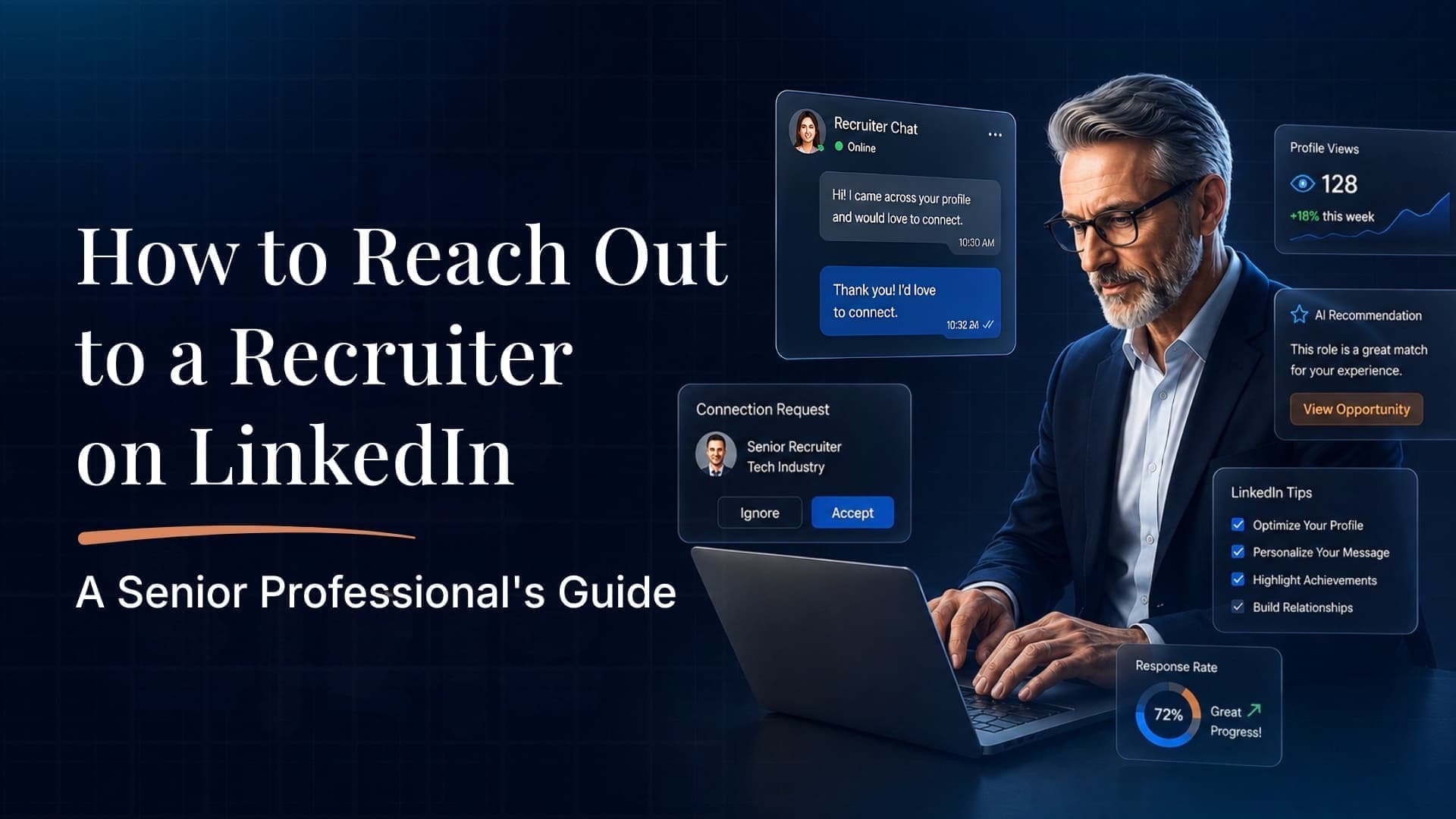
How to Reach Out to a Recruiter on LinkedIn: A Senior Professional’s Guide
Discover how senior professionals can use recruiter outreach, referrals, and networking to unlock better career opportunities on LinkedIn.
As a content writer and SEO strategist, I help turn complex AI job search, career-tech, and growth topics into clear, practical content. At NxtJob.ai, I write to help senior professionals make smarter career moves with clarity and confidence.
Githu Ravikkumar
Creative Strategist & Copywriter
What if the recruiter refuses to move my profile forward unless I give an expected CTC?
Should I include my expected CTC or current salary on my resume?
Can I give a range instead of a single expected CTC number on the first call?
What should I do if a recruiter demands my current pay slips before my first interview?
What if a company says they only give a standard thirty percent raise on my current CTC?
How does the NxtJob.ai Negotiator tool help if it does not answer the expected CTC question?
Everything you need to know
Here you can find solutions to all your queries.
Negotiation
10 min read
Expected CTC: How to Answer Salary Expectations As a Senior Professional
Published Date:
|
Last Modified:
A 10-minute phone call should not decide your net worth.
Yet, many senior leaders ruin their bargaining power during their very first chat with a recruiter. When asked for your expected CTC, naming a hard number too early lets the company buy your years of skill at a massive discount.
This early call is not the time to negotiate. It is simply a gatekeeper test to see if you are too expensive for their budget. You must learn how to handle this question without giving away your power.
Before you talk to another recruiter, sign up for free on NxtJob.ai to find high-value roles that match your worth.
Executive Summary: The Expected CTC Screening Playbook
Stage | Common Mistake | Senior Approach | Example Reply |
First recruiter call | Giving a fixed salary number too early | Link salary to role scope and impact | "My expectations depend on the role, responsibilities, and goals." |
Form 16 request | Sharing tax documents before the offer | Share only after a written offer | "I can share documents during the background check after an offer." |
Salary cap pushback | Accepting the cap without discussion | Discuss total compensation (base + bonus + stock) | "If base is fixed, I am open to stock or bonuses to balance it." |
The key here is to focus on role, not just salary, stay flexible, and aim for fair value and growth on both sides.
Follow along if you want more insights to avoid the “expected CTC” trap.
Why Recruiters Ask for Your Current Salary During the First Call
Recruiters work under tight deadlines. They talk to dozens of candidates every week. They need a fast way to group candidates and filter out those who are too expensive.
Why Recruiters Want Your Numbers Early
If a company has budgeted fifty Lakhs for a role, they do not want to spend three weeks interviewing someone who wants one Crore. Asking for your expected CTC is their way to protect their time.
But recruiters also ask to see if they can get your skills at a lower cost. If you currently earn thirty Lakhs, they know they can likely sign you for forty Lakhs. This is true even if the role has a much higher budget.
They use this first call as a simple sorting tool. It is not an evaluation of your executive skills. It is an administrative step to see if your past pay matches their current internal pay scales.
The Danger of Naming Your Price Too Soon
When you state a hard number on the first call, you set a firm starting point. The company will never offer you more than what you ask for.
According to a compensation survey by Procurement Tactics, 87% percent of employers have never canceled a job offer just because a candidate negotiated their salary. This means you have the room to delay naming a number.
If you name your expected CTC during the first call, you cannot use this room. You have given up your bargaining power before you even know what the job requires.
To avoid this trap, you must understand why treating this first call like a negotiation is a major mistake.
Why You Cannot Treat the Expected CTC Question Like a Normal Pay Talk
Many senior candidates make the mistake of trying to negotiate their salary during the very first screening call.
They treat the expected CTC question as the start of a normal pay talk. But you cannot negotiate your pay when the company has not yet decided if they want to hire you.
At this early stage, the recruiter has only seen your resume. They do not know how you manage teams, solve problems, or grow business units.
Trying to negotiate now is like naming a price for a product before the customer knows what it does.
Why You Have No Bargaining Power on the First Call
To negotiate well, you need bargaining power. Your bargaining power comes from their desire to hire you.
Once the hiring manager decides you are the only person who can fix their problems, you gain the upper hand.
During the first call, you have none of this power. You are just one of many resumes on the recruiter's desk. If you push too hard or make complex demands, they will reject you and call the next candidate on their list.
This is why standard salary negotiation tactics do not work here. You must focus entirely on passing the screen, not on winning the final deal.
The Difference Between Your Expectations and Your Final Offer
When a recruiter asks for your expected CTC, they are looking for a single, easy number to put in their files. But your final pay will be a complex package of base pay, performance bonuses, and stock options.
You cannot evaluate these components during a 10-minute phone call. If you name a cash number now, you might miss out on valuable equity packages later.
Keep these two phases separate.
Treat the first call as a simple pass-fail test, and save the actual pay talks for the end of the interview process.
Let us look at the exact words you can use to pass this first call without giving away a number.
The Four Best Ways to Answer the Expected CTC Question
When a recruiter asks for your expected CTC, you do not have to give a single number. You can use several simple answers to protect your pay. Your goal is to show you want a fair deal while keeping the focus on the work.
You can choose the best answer based on how the recruiter asks. Here are four easy ways to answer. They will help you stay calm and in control of the call.
Ask About the Job First
If you want to talk about pay later, ask about the job first. This links your pay to the actual size of the role.
Tell the recruiter you need to learn more about the team, the goals, and the product plans before you name a number.
Use this simple script:
"My pay needs depend on the size of the product plan and the business goals we set for this role. Once we agree on the work, I am happy to look at a fair market offer."
Ask for Their Budget First
If you want the recruiter to share their numbers first, ask for their budget. This puts the task of naming a starting number back on the company.
It is a polite way to see if their budget matches your worth before you spend hours in interviews.
Use this simple script:
"I want to make sure my needs match your budget. Can you share the pay range you set aside for this role?"
Give a Wide Range
If the recruiter demands a number, do not give a single figure. Give them a wide range instead.
Make sure the bottom of your range is a number you are happy to take. This gives you room to talk later without losing the job opportunity.
Use this simple script:
"Based on market rates for similar roles in SaaS, my target falls between 50 and 60 LPA, depending on the stock and bonus plan."
Explain Your Industry Shift
If you are moving from a services company to a product company, your past pay will not match. You must explain why your old pay does not matter.
Tell the recruiter that product-based roles have different pay scales and funding.
Use this simple script:
"My current pay is based on a services model. For this SaaS role, I am looking at standard product-company market rates."
Once you know these scripts, you should practice saying them out loud to build your confidence.
How NxtJob.ai Helps You Negotiate Your Salary Later
Many candidates believe that negotiating only happens at the very end of their job search.
This is a common mistake. In reality, negotiation is a continuous process in which every interaction with an employer builds your value.
Your resume positions you in the top tier of candidates, which raises your starting value. Your win deck shows you are a consultant who can solve companies' problems, further raising your value. Your interviews demonstrate your deep industry expertise.
The final salary talk is simply the last step of this process.
But you cannot reach this step if you fail the expected CTC screening question at the start. Surviving the first call is the necessary gatekeeper step you must pass to reach the stage where NxtJob.ai can help you negotiate your final offer.
How the Negotiator Agent Prepares You for Professional Recruiters
Hiring managers and HR recruiters are full-time, trained professionals who negotiate salaries every day.
Negotiating salary with HR without practice places you at a major disadvantage.
To help you play on equal terms, NxtJob.ai's Negotiator agent provides a two-way negotiation simulation with you.
A trained AI recruiter sits opposite you, using realistic corporate objections so you can practice your responses. This preparation helps you secure 5 to 10 Lakhs more on your final offer.
A Senior Candidate Story
Roopa has 17 years of experience. When she first applied to TE Connectivity, the hiring team rejected her. They said she did not have the right segment experience.
She joined NxtJob.ai and built a new resume using clear Challenge-Action-Result (CAR) statements. She also created a 30-60-90-day work plan to demonstrate how she would solve the company's problems.
She then used NxtJob.ai's negotiation tools to research her market worth. By showing her value early, she secured a senior leadership role and a 70% pay hike.
Roopa, Go-to-Market Leader at TE Connectivity
"I used the resume tools and the salary negotiation template from NxtJob.ai. I did further research and was able to secure a 70 percent hike with a senior leadership role."
To get past the first call and use our Negotiator agent to secure your fair market rate, sign up for free on NxtJob.ai today.
How to Handle Form 16 and Payslip Requests on the First Call
Many recruiters in India ask for your Form 16 or past payslips during the very first call. This is a common practice that can limit your future earnings.
If you share these documents too early, the recruiter will use your old salary to set a low starting point for your new role.
The main challenge is that your past salary does not show your current market value. If you have in-demand tech skills, you can demand much higher pay when changing roles.
This is especially true for senior professionals who have managed large teams.
Why Past Payslips Do Not Show Your True Worth
Your Form 16 is a record of what you earned in the past. It does not show your current capability or the value you can bring to a new company.
According to a market report published by Reuters, hiring firms like TeamLease can only fill about 30% of active job openings because of severe mismatches in salary expectations and technical skills.
This talent shortage gives you a major advantage if you can prove your worth.
According to the TeamLease Services Jobs and Salaries Primer, senior tech roles with rare skills command pay hikes of 30% to 40% above historical limits.
This is why you must avoid letting your past payslips set your next salary.
Your skills are what matter most. If you want to make sure your resume highlights these high-demand skills, read our guide on how to make an ATS-friendly resume. It will help you stand out.
How to Delay Sharing Your Documents
You do not have to share your past pay slips during your first screening call. Agreeing to share them too soon gives away your power to negotiate.
Instead, keep your financial details private until both sides agree on the basic terms of a written offer.
Politely inform the recruiter that your current pay is confidential under your employment agreement.
State that you will gladly share your Form 16 for formal background verification once a written offer is prepared.
A Simple Plan for Your Next Salary Talk
To handle the expected CTC question well, you must have a clear plan before you pick up the phone. A simple checklist keeps you focused and prevents you from giving away a number too soon.
By following these steps, you can guide the first call toward the scope of the job. This preparation ensures you stay in control of your career path.
The Four Steps to Pass the Screening Call
Do Your Market Research: Before you speak with any recruiter, check the current pay rates for your role on sites like Glassdoor and Levels.fyi. This gives you a clear baseline range.
Reach Out to Your Network: Connect with hiring managers and referrers at your target companies before you apply. To learn how to make these connections, read our guide on how to reach out to a recruiter on LinkedIn.
Keep Your Tax Slips Private: Always tell the recruiter that you will gladly share your Form 16 for background checks once you agree on a written offer. Never send these documents early.
Conclusion
To get a fair offer, you must wait to talk about pay, focus on your skills, and keep your tax slips private. This guide shows you the steps to handle these first calls and avoid low pay.
Most sites only give you basic resumes or job lists. NxtJob.ai is different because it uses custom AI tools like Negotiator to read your stocks, check your bonuses, and build your final deal.
Take control of your next call. Sign up for free on NxtJob.ai and get the pay you deserve.
Table of content
Negotiation
Salary Negotiation Tactics: Why Senior Leaders Must Never Name a Number First
Learn advanced salary negotiation tactics to bypass HR budget caps, reframe your current CTC, and maximize your executive equity.
Job search
How to Reach Out to a Recruiter on LinkedIn: A Senior Professional’s Guide
Discover how senior professionals can use recruiter outreach, referrals, and networking to unlock better career opportunities on LinkedIn.
As a content writer and SEO strategist, I help turn complex AI job search, career-tech, and growth topics into clear, practical content. At NxtJob.ai, I write to help senior professionals make smarter career moves with clarity and confidence.
Githu Ravikkumar
Creative Strategist & Copywriter
Recent articles
Resume
5 min read
How to Reach Out to a Recruiter on LinkedIn: A Senior Professional’s Guide
Discover how senior professionals can use recruiter outreach, referrals, and networking to unlock better career opportunities on LinkedIn.
Resume
5 min read
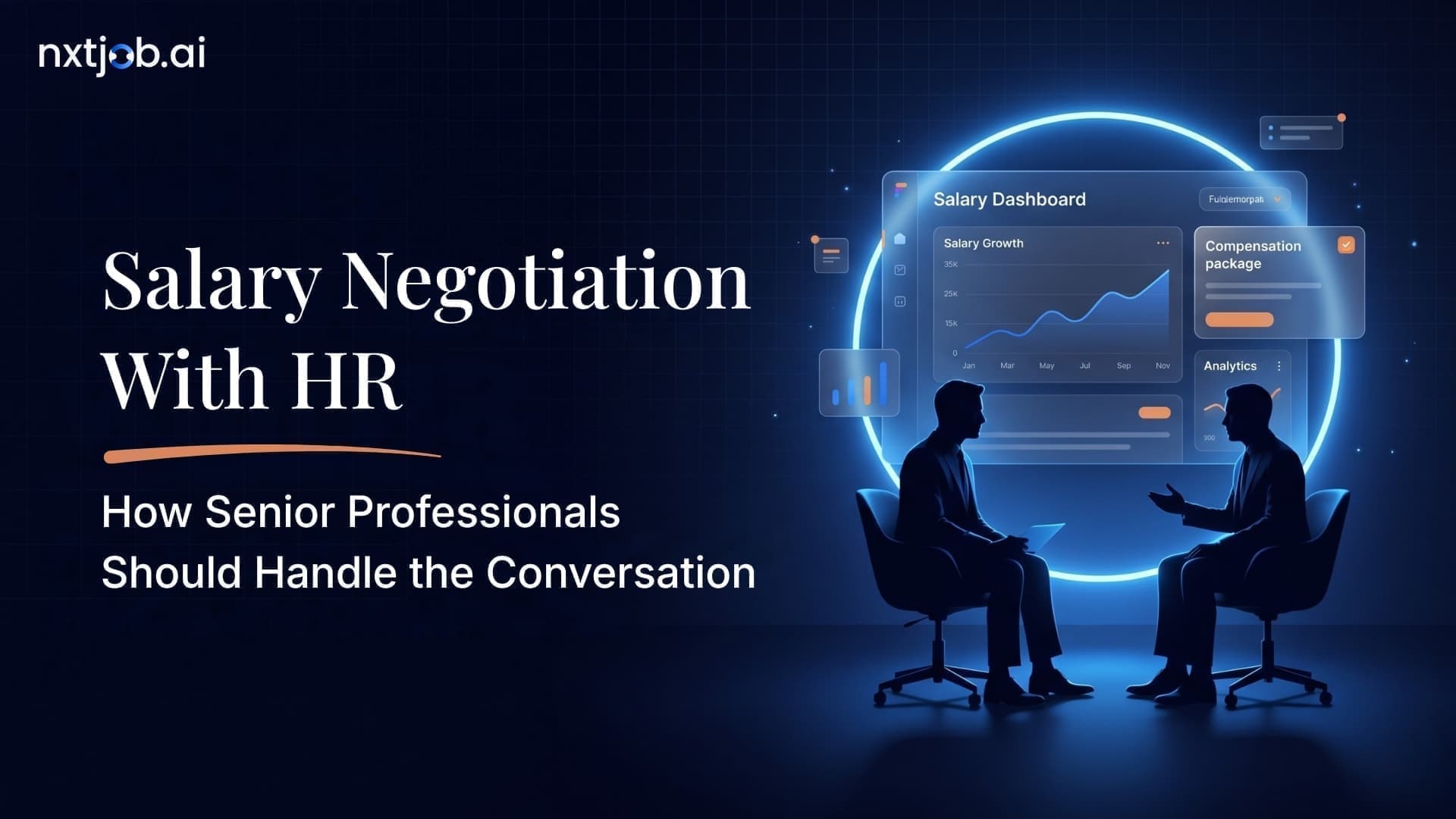
Salary Negotiation With HR: How Senior Professionals Should Handle the Conversation
Learn how senior professionals can handle salary negotiation with HR, respond to pushback, protect their value, and avoid underselling themselves.
Resume
5 min read
How to Make an ATS-Friendly Resume: Format, Tips, and Examples for Experienced Professionals
Learn how to make an ATS-friendly resume with the right format, keywords, structure, and role-specific details for experienced professionals.
Resume
5 min read
How to Reach Out to a Recruiter on LinkedIn: A Senior Professional’s Guide
Discover how senior professionals can use recruiter outreach, referrals, and networking to unlock better career opportunities on LinkedIn.
Resume
5 min read
Salary Negotiation With HR: How Senior Professionals Should Handle the Conversation
Learn how senior professionals can handle salary negotiation with HR, respond to pushback, protect their value, and avoid underselling themselves.
Everything you need to know
Here you can find solutions to all your queries.
What if the recruiter refuses to move my profile forward unless I give an expected CTC?
Should I include my expected CTC or current salary on my resume?
Can I give a range instead of a single expected CTC number on the first call?
What should I do if a recruiter demands my current pay slips before my first interview?
What if a company says they only give a standard thirty percent raise on my current CTC?
How does the NxtJob.ai Negotiator tool help if it does not answer the expected CTC question?
Join the Revolution
Your AI career copilot to land you top jobs in under 90 days.
A Pinnacle Shift Company
by Richik Sinha Roy
Join the Revolution
Your AI career copilot to land you top jobs in under 90 days.
Join the Revolution
Your AI career copilot to land you top jobs in under 90 days.